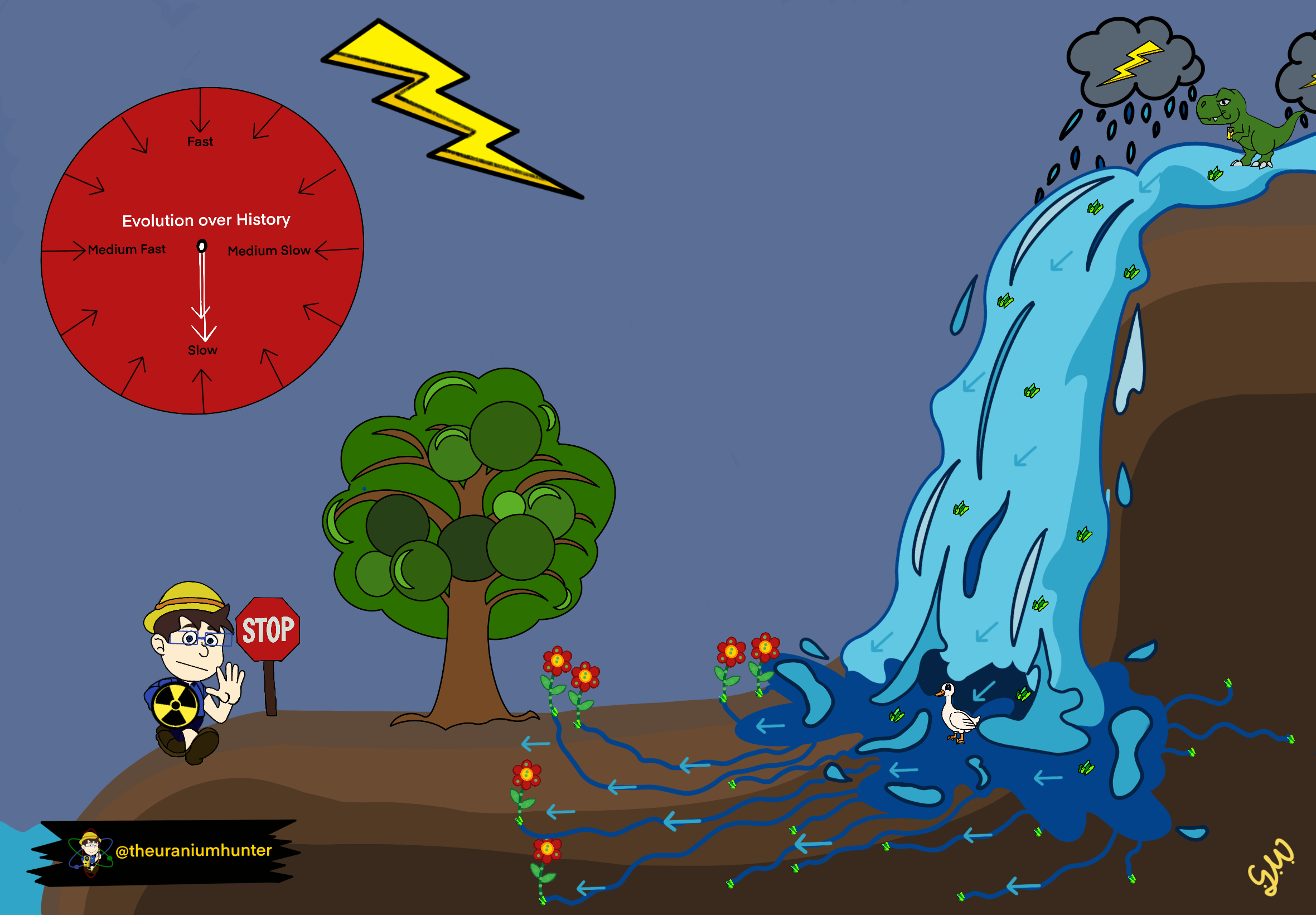
The Solway Coast in Southwest Scotland is a place of wild beauty – rolling mudflats, dramatic cliffs, and hidden geological secrets. But beneath its scenic surface, a microscopic drama is unfolding, one where tiny lifeforms play a surprising role in controlling the fate of uranium.
A Natural Uranium Laboratory
At a site called Needle’s Eye, ancient veins of uranium-rich minerals have been slowly releasing the element into the surrounding environment for thousands of years. Scientists studying this area expected uranium to move freely through groundwater, carried by the flow. But something unexpected is happening – microbes are stepping in, trapping and transforming the uranium in ways that could change how we understand its environmental impact.
Microbes: Nature’s Uranium Sponges
When researchers examined the sediments and groundwater at Needle’s Eye, they found that uranium wasn’t just dissolving and flowing away. Instead, it was being concentrated in certain spots, and microbes seemed to be behind it.
Using high-powered microscopes, scientists discovered tiny, thread-like bacteria (similar to those found in soil) clinging to cracks in rocks and organic material. These microbes weren’t just passive bystanders – they were actively grabbing uranium and other metals from the water, effectively acting as microscopic sponges. Some even appeared to be “eating” into nearby organic matter, leaving behind mineralized traces of uranium, bismuth, and other elements.
Why Does This Matter?
This discovery isn’t just a curiosity – it has real-world implications. Understanding how microbes trap uranium could help scientists predict how radioactive materials move (or don’t move) in the environment. This is especially important for managing nuclear waste storage, where preventing uranium from spreading is crucial.
The Solway Coast’s microbes are showing us that nature already has its own cleanup crew – tiny organisms working silently to lock away uranium in unexpected ways.
A Bigger Picture
Needle’s Eye isn’t the only place where microbes influence uranium. Similar processes may occur in oil-rich deposits and other uranium-contaminated sites worldwide. By studying these natural interactions, scientists can learn how to harness microbial power for environmental protection – proving that even the smallest lifeforms can have an outsized impact on our planet.
So next time you stroll along the Solway Coast, remember: beneath your feet, an invisible world of bacteria is quietly shaping the fate of uranium, one microscopic interaction at a time.
Want to See the Magic Up Close?
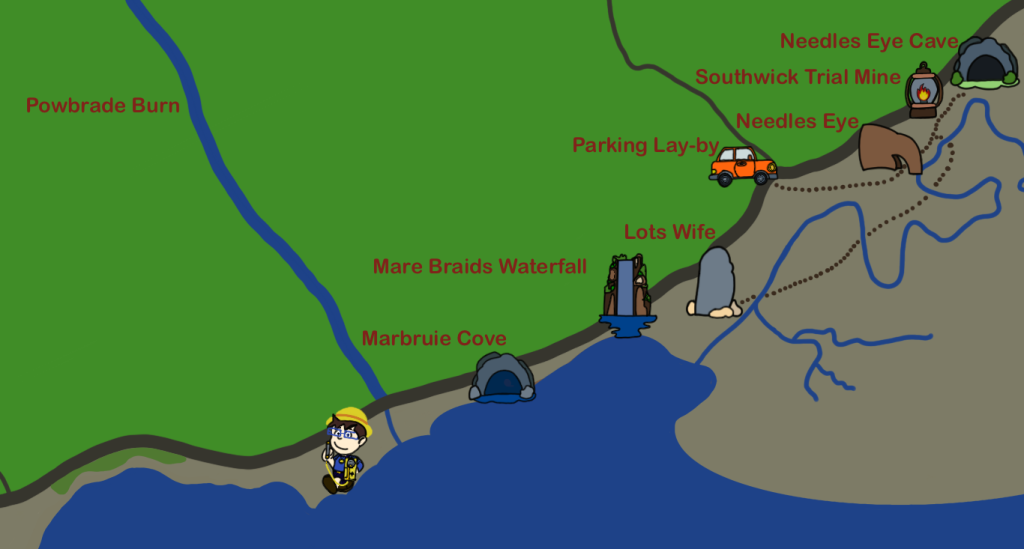
The Solway Coast’s hidden world of microbes and uranium is even more fascinating in person—so why not join me on a journey to Needle’s Eye itself? On my channel, The Uranium Hunter, we dive deeper into this natural wonder, exploring the science, the scenery, and the secrets beneath the surface. Subscribe and let’s uncover the mysteries together!