
Uranium is one of the most common elements on earth. More common than tin, silver, gold and mercury – there’s probably a tiny bit of it in you. As we’ve tried to show you on the channel, Uranium is hiding in all sorts of places, from hills, rivers, antique shops and dodgy chinese imported jewellery.
In our journey so far, we’ve found Uranium in nature where there are what are called Plutons – large masses of granite formed 3-400 million years ago where two continents collided to form modern Britain and Ireland. The granite itself is relatively rich in Uranium, and the heat and pressure of these formation events leaches out the granite and deposits it in the surrounding rocks.
So far so good – and Weardale has not just one but 5 of these plutons. So we should be in the game to use our skills and knowledge to find the uranium. There’s just one slight problem.
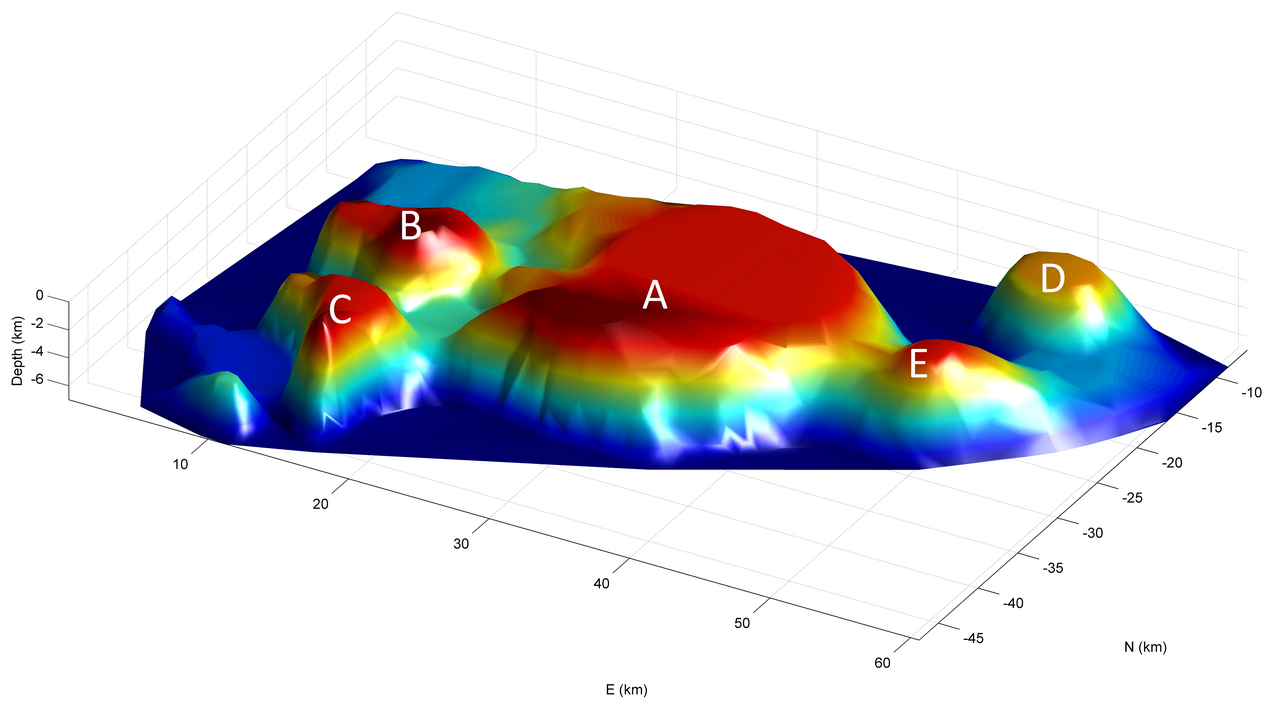
In the 1960’s a team of engineers and scientists had to drill down 400m to find the granite – to find the plutons – and that’s the problem. The plutons are deep deep underground. A second borehole in the 1970’s confirmed it – the granite is way beyond our reach. Whilst the granite plutons did a lot of work pushing, melting and cracking the rocks above them, they are only visible if you go to a museum or a university.
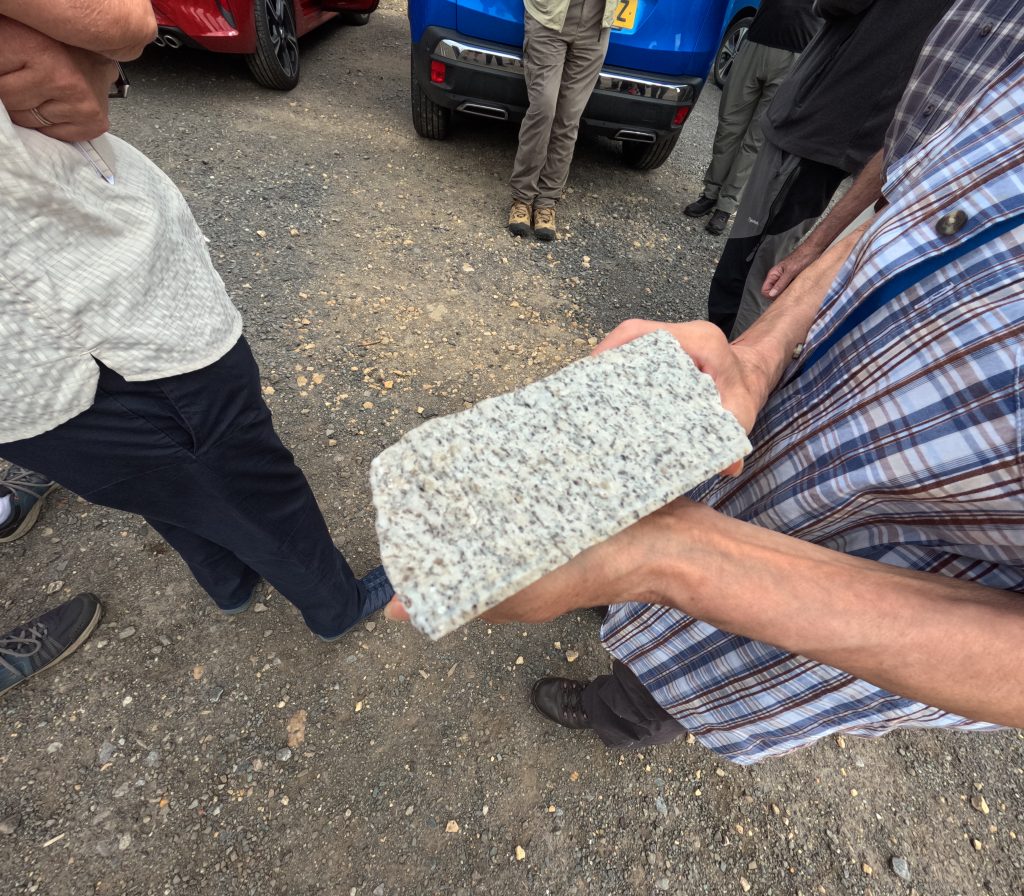
However, there’s more positive news. Firstly, the effect of the plutons rising (imagine a lava lamp) did cause mineralisation and Weardale has dozens of mineral veins. Sister metals to Uranium – Iron, Lead, Tin and Barium – have not only been found, but some have been mined commercially for decades, being that prevalent and abundant. Secondly, the borehole scientists confirmed that the granite in Weardale contains Uranium in similar quantities to that found at the Cheviot and Criffel pluton.
So where’s the uranium? Apart from a tiny (literally) reference to the minerals xenotime and apatite – known to carry Uranium and Thorium – in one sample of Flourite from Weardale, there’s no record of the “U” being found by miners or geologists. And being one of the most well-studied metallic mining areas in the UK, that’s disappointing.
We are all about challenges here are The Uranium Hunter and believe it’s there just waiting to be found. The reason is back to those other metals. The pathways that cause some of those metals to mineralise out are the same as those that work for Uranium. Uranium is also often found where you get Iron, Lead, Copper and other metals. So we just need to put together the clues.
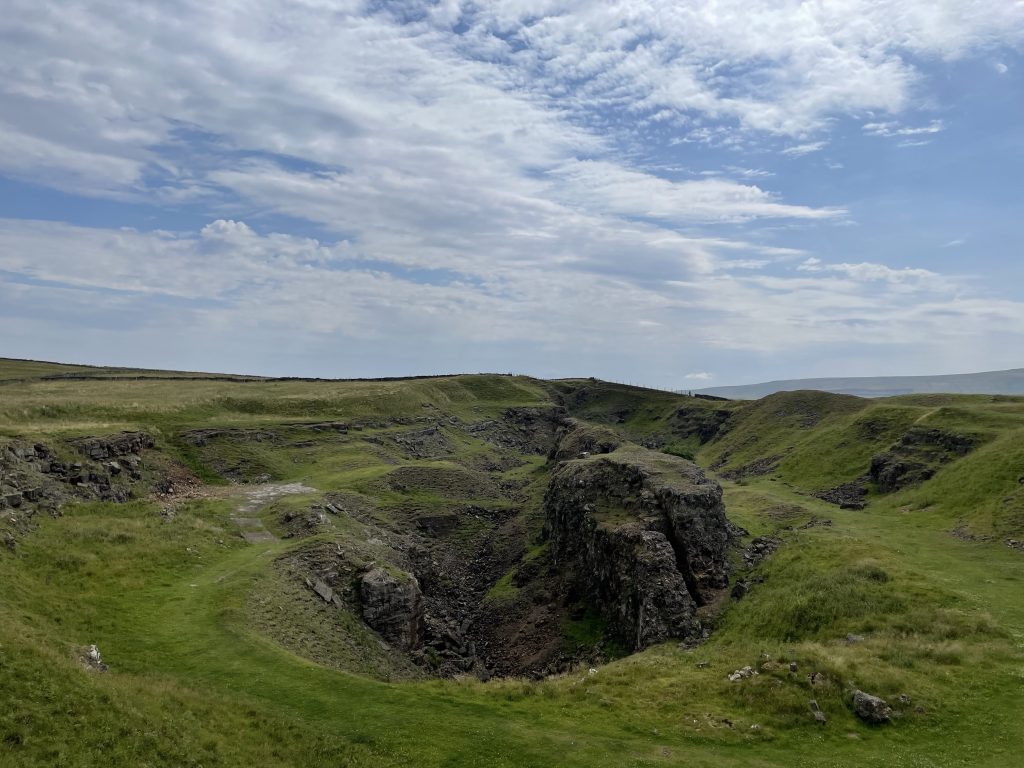
To help in our search – and bearing in mind the sheer number of mines and veins in the area – we’ve worked on identifying the right conditions where Uranium is likely to be present. And they are:
- Where there are high temperature hydrothermals veins
- Reducing conditions – Uranium often mineralises out where there’s a lack of oxygen
We use this knowledge to narrow our search – finding where the mineralising fluids were hot is a pretty easy one as minerals such as fluorite and sulphides like the heat. Reducing conditions is also pretty simple as that’s where carbonaceous material is found – coal and bitumen to me and you. We also need to look for places where there are spoil heaps or mineralisation at the surface, as most of these mines are long since gone.
Then all we need are maps, mining records, good boots, a sensitive geiger counter and a lot of luck.