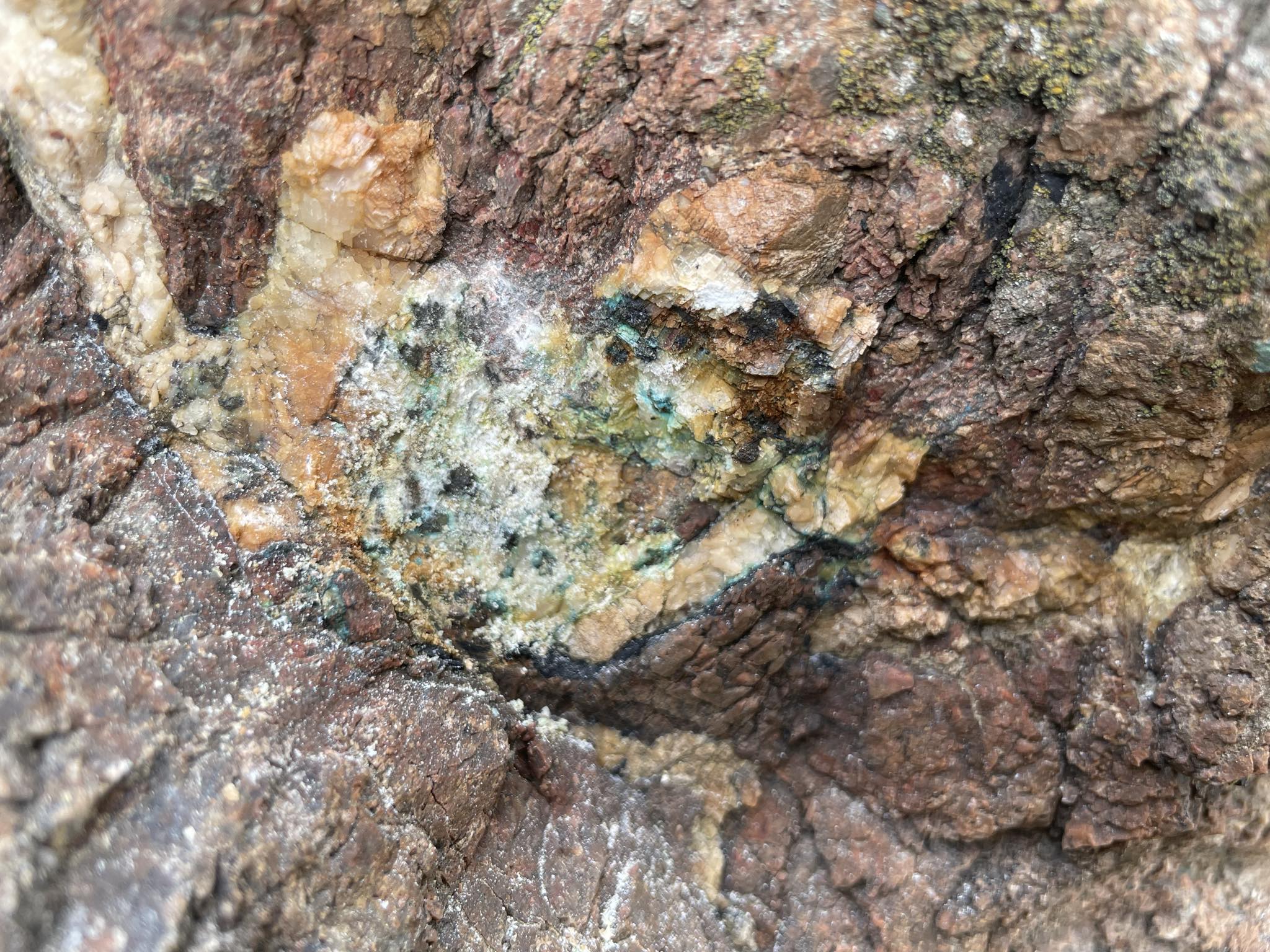
When it comes to exploring for radioactive minerals like uranium and thorium, understanding the geological interplay between dykes, granite, and hydrothermal activity is key. These elements – often hidden deep within the Earth – can be concentrated in specific geological settings, making them accessible to those who know where to look. In this blog post, we’ll dive into the fascinating relationship between these rock types and the processes that create radioactive mineral deposits.
Granite: A Natural Source of Radioactive Elements
Granite, a common igneous rock, is more than just a pretty face in the geological world. It’s also a primary source of radioactive elements like uranium (U) and thorium (Th). These elements are often found in accessory minerals such as zircon, monazite, and allanite, which form during the cooling of magma.
But not all granites are created equal. Certain types, like peraluminous or A-type granites, are particularly enriched in uranium and thorium. The granites at Cheviot and Criffel are relatively high in uranium with 9-10 ppm. Some in the Highlands of Scotland are higher still. However others such as the Strontian granites are only 3 ppm. So it’s not just the case to start with any old granite; a good place to start is in areas of granite rich in these radioactive metals.
Dykes: Pathways for Mineral-Rich Fluids
Dykes – vertical or near-vertical sheets of igneous rock – play a crucial role in the formation of radioactive mineral deposits. They act as conduits for magmatic and hydrothermal fluids, which can transport and concentrate uranium and thorium. Here’s how:
- Magmatic Differentiation: Late-stage dykes, such as pegmatites, form from residual melts that are rich in volatiles and incompatible elements like uranium and thorium. These dykes often contain large crystals of radioactive minerals, such as uraninite or monazite.
- Hydrothermal Conduits: Dykes can channel hydrothermal fluids, which remobilize uranium and thorium from the surrounding granite. These fluids often deposit minerals in fractures or along the margins of dykes, creating vein-type mineralization. For example, uraninite (a uranium mineral) is commonly found in fault zones associated with dykes.
- Structural Controls: The emplacement of dykes creates fractures and increases the permeability of the surrounding rock. This makes it easier for mineralizing fluids to flow and deposit their cargo. Contact zones between dykes and granite are particularly promising, as they often host mineralization due to fluid-rock interaction.
Hydrothermal Activity: The Key to Concentration
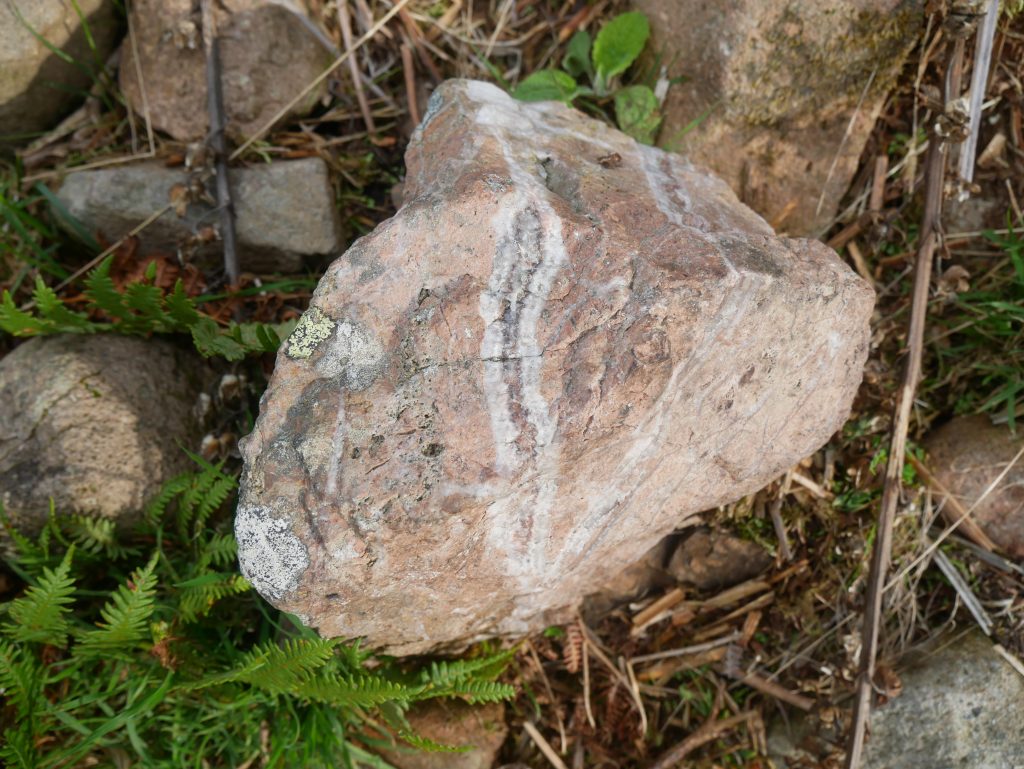
While granite provides the raw materials and dykes act as pathways, it’s hydrothermal activity that often brings everything together. Hydrothermal fluids – hot, mineral-rich waters – can dissolve, transport, and redeposit uranium and thorium in structurally favorable zones. To find these minerals, you’ll need to look for evidence of hydrothermal activity. Here’s what to keep an eye out for:
- Quartz Veins: Silica-rich quartz veins are a classic indicator of hydrothermal fluid flow. Uranium minerals like uraninite and coffinite often precipitate alongside quartz in these veins.
- Breccias: Hydrothermal breccias form when high-pressure fluids fracture the rock, creating broken fragments that are later cemented by mineral deposits. These zones are highly permeable and act as traps for uranium and thorium minerals
- Alteration Halos: Hydrothermal fluids alter the surrounding rock, creating distinctive zones. These alteration halos are a clear sign of fluid-rock interaction and can help you pinpoint areas where radioactive minerals may be concentrated. Examples are:
- Silica Enrichment – Rocks appear more glassy or quartz-like
- Green Coloration – Caused by chlorite or copper minerals forming
- Reddish Staining – From iron oxide (hematite) deposition
- White Clay Patches – Result of kaolinite clay formation
- Sulfide Minerals: Pyrite, galena, and molybdenite are often found alongside radioactive minerals, as they precipitate from the same hydrothermal systems.
Why Is This Important for The Uranium Hunter? Practical Tips for Exploration
If you’re on the hunt for radioactive minerals, here are some practical steps to guide your exploration:
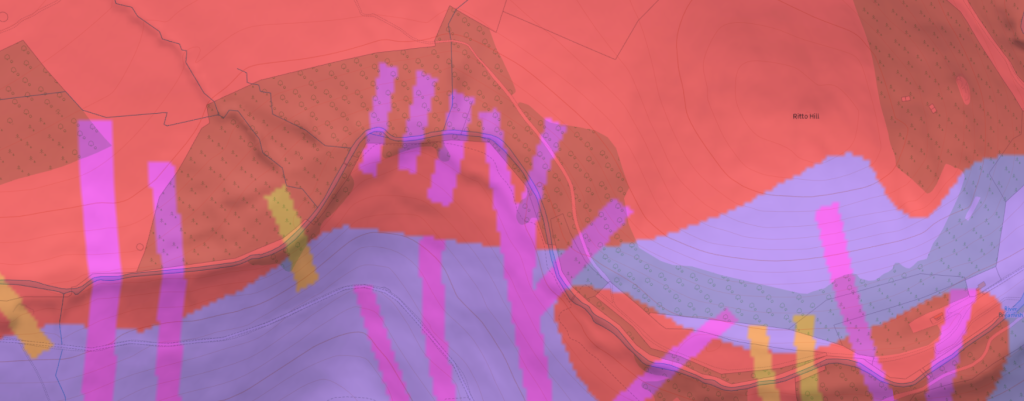
Before heading out, always check geological maps (like the BGS Geology Viewer in the UK) to identify promising areas. Here’s how to explore effectively:
1. Start with the Right Rocks
- Target uranium-rich granites – Look for known high Uranium granites
- Track the dykes – On maps, dykes appear as thin, linear features (dotted lines or different shading). Focus on felsic, porphyry, or pegmatitic dykes, as they’re often linked to uranium.
2. Let Water Reveal Clues
- Streams and riverbeds expose fresh rock—check their banks and beds for mineralisation.
3. Spot the Visual Signs
- Quartz veins (glassy white streaks)
- Breccias (broken rock cemented by minerals)
- Colour changes – Look for:
- Reddish stains (hematite)
- Green patches (copper minerals or chlorite)
- Shiny metallic specks (galena or other sulfides)
- Odd-looking rocks – If a rock stands out (different texture, colour, or pattern), investigate.
4. Follow the Faults
- Cracks or fractures at odd angles to surrounding rock may channel mineralising fluids.
- Discoloured veins (rusty or bleached) often indicate hydrothermal activity.
5. Document Everything
- Take photos/videos – Some details only show up in images.
- Pinpoint locations – Use a GPS app to mark finds and cross-reference with maps.
6. Use Your Geiger Counter Wisely
- Take a background reading first, then scan systematically.
- Move slowly – Give the detector time to register faint signals.
- Track hotspots – Work toward the strongest signals methodically.
7. Stay Safe!
- Wear gloves (avoid direct contact with unknown minerals).
- Check for access – not every potential hotspot is easy or possible to get to
- Watch your footing – No sampling is worth a fall or drowning.
- Respect the land – Follow access rules and leave no trace.
This approach helps you work smarter, focusing on the most promising areas while staying efficient and safe.
Real-World Examples
The Rossing Uranium Mine in Namibia is a textbook example of how granite and dykes can host significant uranium deposits. Here, uranium is concentrated in alaskite dykes and surrounding brecciated zones, with silicification and hematite alteration serving as key markers.
Similarly, the Olympic Dam deposit in Australia associates uranium with hematite-rich breccias in a granite-dominated setting. These examples highlight the importance of understanding the geological processes that concentrate radioactive minerals.
For The Uranium Hunter, understanding the relationship between dykes, granite, and hydrothermal activity is more than just academic – it’s a practical toolkit for exploration. Here’s why this knowledge is invaluable:
- Targeting the Right Areas
When examining geological maps and research papers, this framework helps us identify high-potential zones. By focusing on areas where uraniferous granites, dykes, and hydrothermal features intersect, we can prioritize targets with the highest likelihood of hosting radioactive minerals. This saves us from wasting time on low-prospect regions. - Field Efficiency
When we’re out in the field, knowing what to look for – quartz veins, breccias, alteration halos, and specific rock formations – can make all the difference. Instead of wandering aimlessly, we can systematically survey areas with the right geological indicators, maximizing your chances of discovery. That’s the plan anyway. - Exploring Understudied Regions
Many of the areas we study may have little or no prior research on radioactivity. By applying this knowledge, we can hopefully uncover hidden potential in regions that others have overlooked. Our videos could lead to discoveries in areas previously considered unremarkable, who knows? - Saving Time and Energy
Exploration, especially in remote or inaccessible areas, is resource-intensive. By focusing on the most promising geological features, we can streamline our efforts, reducing the time, energy, and costs associated with exploration. This is particularly crucial when working in challenging environments where every decision counts.
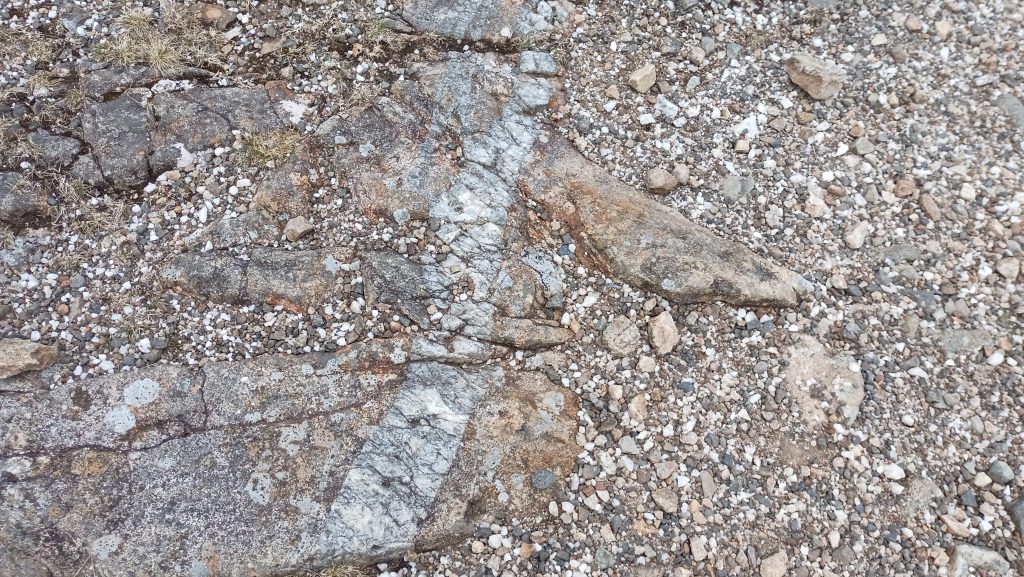
The Bigger Picture
For The Uranium Hunter, this isn’t just about finding radioactive minerals – it’s about unlocking the Earth’s secrets in a way that’s efficient, informed, and impactful. Whether you’re poring over geological maps, trekking through rugged terrain, or analyzing samples in the lab, this knowledge empowers you to explore smarter, not harder. And in a world where uranium and thorium are increasingly important for energy and technology, your work could have far-reaching implications.
So, gear up, keep your eyes peeled for those quartz veins and breccias, and remember: every rock tells a story. Happy hunting!